

Building Sustainable Trading Habits for Long-Term Success

Successful trading is rarely about finding the perfect strategy. It is often the result of developing sustainable trading habits that support consistency, discipline, and sound decision-making over time. Learn how traders can build routines, manage risk, and maintain emotional control to improve their long-term performance in the financial markets.
Why Backtesting Matters Before Using a Trading Strategy
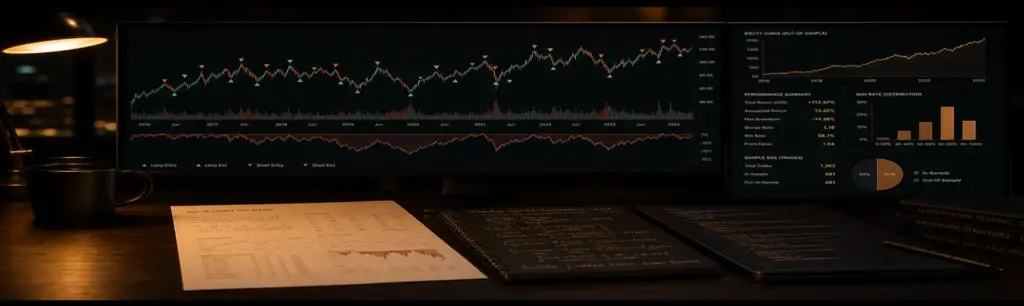
Before risking real capital in the markets, traders need confidence that their approach has a statistical foundation. This article explains why backtesting matters, how it works, and how traders can use historical market data to improve decision-making, refine risk management, and build greater confidence in their trading strategies.
What Is a Trading Edge and How Do You Develop One?

A trading edge is what separates consistent traders from those who rely on luck. Learn how to identify, test, and refine a trading edge that supports long-term performance in forex, commodities, indices, and CFD markets.
Understanding Correlated Markets: Forex, Gold, and Indices
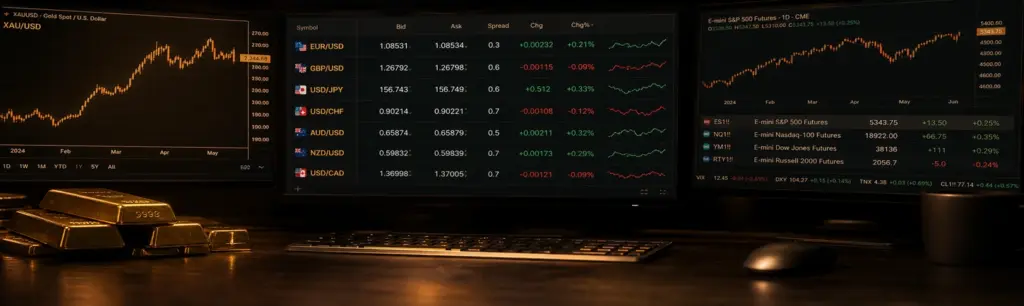
Markets rarely move in isolation. Discover how Forex, gold, and stock indices are interconnected, and learn how understanding correlated markets can help traders identify opportunities, manage risk, and make more informed trading decisions.
Understanding Market Consolidation Before Major Price Moves

Market consolidation is often the calm before a significant price move. Learn how to identify consolidation phases, understand their causes, and use them to improve trading decisions across Forex and CFD markets.
Why Liquidity Matters in Forex and CFD Trading
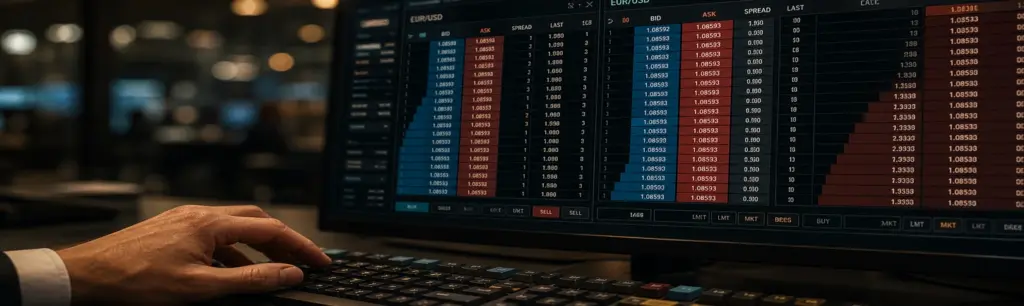
Liquidity is one of the most important factors influencing trading performance in Forex and CFD markets. Learn how liquidity impacts spreads, execution quality, volatility, and overall trading conditions.
How Traders Use Economic Calendars to Plan Their Trades
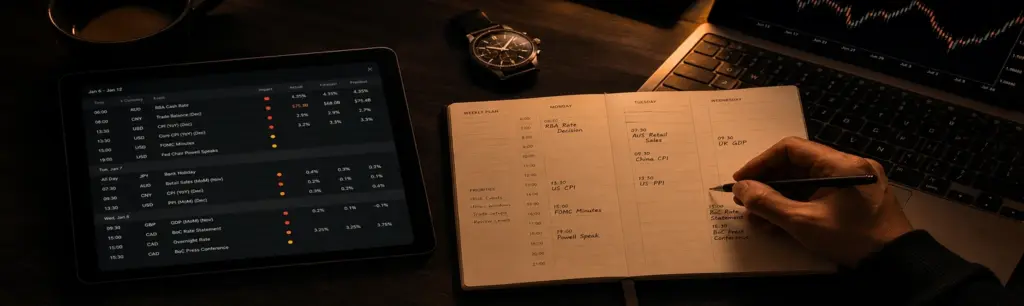
Economic calendars help traders anticipate major market events, prepare for volatility, and make more informed trading decisions. Learn how professional traders use economic data releases to plan entries, exits, and risk management strategies.
The Relationship Between Bond Yields and Currency Markets
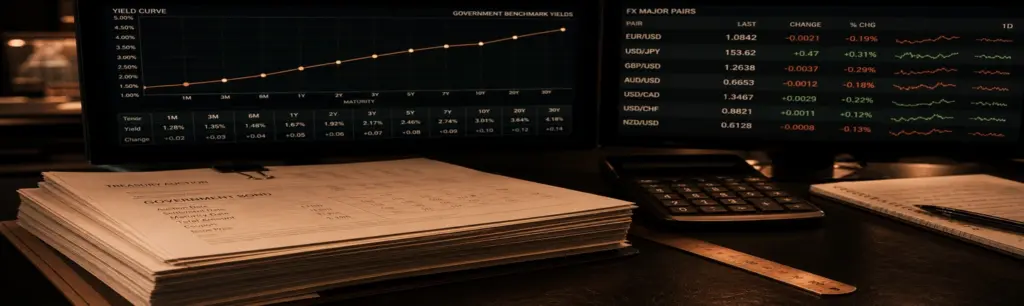
Bond yields and currency markets are closely connected. Changes in government bond yields often influence capital flows, investor sentiment, and exchange rates. Understanding this relationship can help traders make more informed decisions and better interpret movements in the forex market.
Understanding Currency Strength and Weakness in Forex Trading

Currency strength and weakness play a critical role in Forex trading. Understanding how currencies gain or lose value can help traders identify opportunities, manage risk, and make more informed trading decisions. This guide explains the key factors that influence currency performance and how traders can apply this knowledge in real market conditions.
Why Interest Rate Expectations Matter More Than Interest Rate Decisions

Financial markets often react more strongly to what central banks are expected to do than to the actual interest rate decision itself. Understanding interest rate expectations can help traders anticipate market movements, manage risk, and make more informed trading decisions.